

The Price of Indifference: A Decade of Compassion Tested and the Legacy of a Cure
A decade can change a lot. Memories fade, priorities shift, and the pulse of global compassion can weaken under the weight of incessant crises. Just over ten years ago, the world stopped to mourn the tragic death of Alan Kurdi, the three-year-old Syrian boy whose small body lay lifeless on a Turkish beach. The heartbreaking image of his lost innocence in the migration crisis resonated across the globe, triggering an unprecedented wave of emotion. The UN Refugee Agency (UNHCR) reported receiving more than $100 million in donations in direct response to that moment of collective grief, a testament to the power of global empathy in the face of human suffering. The world, moved by a distant tragedy, tried to "buy" a solution to the pain through philanthropy.
“A fotografia do menino sírio morto, Alan Kurdi, na costa da Turquia, provocou um “surto de compaixão” que resultou em um aumento maciço de doações para a agência de refugiados da ONU, disse um porta-voz.”
That year, 2015, marked a peak in solidarity, in which the response to the terror of the crossing and persecution was a financial and emotional embrace from the world. People, moved by the visible tragedy, sent resources to alleviate the refugees' situation, hoping that the money would translate into safety and dignity.
The Dissonance of a Decade: From Commotion to Active Protest
Ten years later, the situation seems to have transformed in a worrying way. In Minnesota, the shocking image was that of a five-year-old boy detained by immigration agents inside his own school. Not only him, but also three other students were targeted by this relentless policy, designed to terrorize and dehumanize, imposing constant fear on vulnerable communities.
If, in 2015, the response was sending checks, there wasn't a global wave of massive donations, but rather a wave of direct protests. In 2026, the response is bodies in the streets. Thousands of people brave the intense cold to protest and strike against an immigration policy that, under the pretext of security, uses terror as a tool of control, deliberately violating human dignity.
“A cena, capturada em vídeo, mostra o menino de 5 anos chorando enquanto é levado por agentes do ICE, O QUE PROVOCA indignação e uma onda de protestos em Minnesota.”
The terror, previously combated with money and compassion from a distance, was now confronted face-to-face, with people in the streets and voices united against a policy that "seems to know no limits in harming human dignity."
“Protestos em massa desafiaram a repressão imigratória após a detenção de crianças em escolas, com ativistas exigindo o fim de políticas CLASSIFICADAS como ‘desumanas’ e ‘aterrorizantes’.”
The inevitable question hangs in the air: what happened to the world in these ten years? Has compassion been exhausted? Or has the way of expressing it matured, transforming from passive donation into active resistance against the sources of terror and dehumanization? Why did we move from financial upheaval to physical confrontation?
The Psychology of Terror and the Essence of Civilization
The article “Psychology of Terrorism: What Motivates People to Radicalize and Join Terrorist Groups?”, by André Luís Woloszyn, offers valuable insights, although focused on radical terrorism. It highlights how the “distortion of beliefs” and the “projection of repressed dissatisfactions onto objects and symbols of the other, the one considered the enemy,” are central factors in radicalization. The creation of a “dehumanized common enemy,” whose lives “have no value,” is a strategy to foster violence and hatred. The article also points out that terrorism frequently flourishes in “zones where there is no social well-being, since hunger, violence, and lack of prospects prevail.”
This analysis, although dealing with terrorism in the most literal sense, offers a mirror of the "zones" of suffering that current migration policies create. When a state or a system adopts a rhetoric of a "common enemy" to justify the detention of children, it is, in a way, using dehumanizing tactics that create a type of psychological terror. The objective of "terrorizing the population," as mentioned in the description of the protest in Minnesota, echoes the doctrinal characteristics of terrorism, which seek to "provoke a state of terror in the general public," and "cause permanent insecurity."Woloszyn, “280-Texto do Artigo-3512-1-10-20250225.pdf”, p. 2). It is a state that operates according to the logic of a predator, trying to break the bones of society so that it cannot move or resist. The goal is to terrorize in order to paralyze.
Migration is often an escape from contexts where, precisely, "hunger, violence, and lack of opportunities prevail." It is a search for social well-being that, paradoxically, encounters hostility and policies that generate even more terror and insecurity.
The Ancient Call to Compassion: A Femur Healed 15,000 Years Ago
In this context of dehumanization and terror, we need to remember the attitudes that allowed societies not only to emerge but also to flourish. This reflection leads us to a remarkable archaeological discovery, dating back 15,000 years, but profoundly relevant to our present.
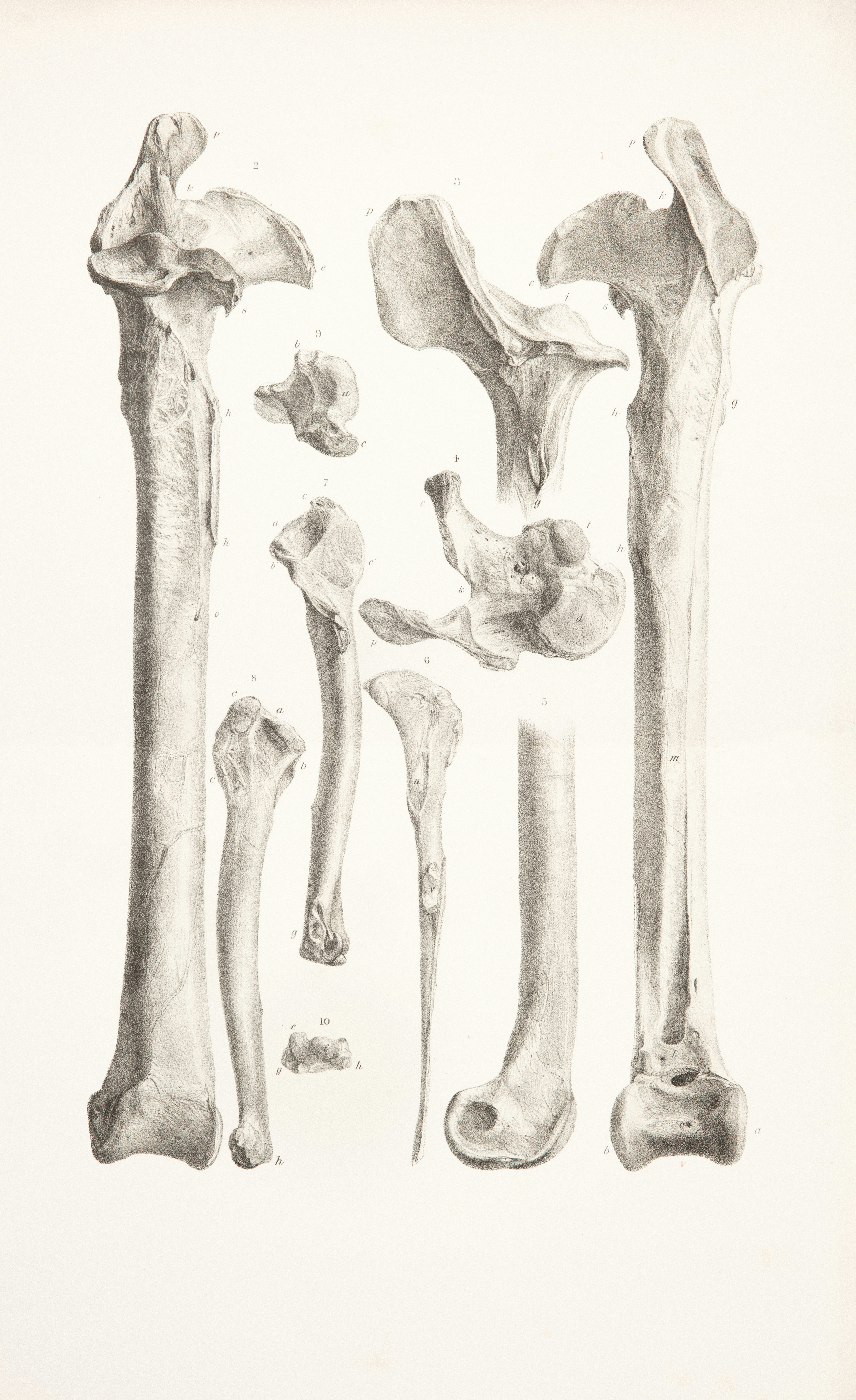
“Muitos argumentam que o primeiro sinal de civilização humana foi encontrado em um fêmur de 15.000 anos que foi quebrado e curado. Os antropólogos notaram que o osso havia cicatrizado, O QUE SUGERE que alguém havia cuidado do indivíduo por meses, talvez até por um ano, durante o processo de recuperação. Isso não poderia ter acontecido sem compaixão.”
A broken and healed femur. It's not a grand monument, nor an advanced tool. It is the simple, yet extraordinary, testimony that, in a wild and unforgiving world where individual survival was a constant struggle, someone stopped. Someone cared. Someone dedicated time, resources, and compassion to care for a fellow being who, for months, would be completely incapacitated, a burden to the group. This act of compassion was not motivated by power, ideology, or personal gain. It was the pure manifestation of interdependence and empathy, the foundation of everything we call civilization.
For many, this is the true "first sign of civilization."dornacoluna.fst.brIt's not the ability to make fire or build shelters, but the capacity to look at another person in their extreme vulnerability and decide that their life matters, that their suffering must be alleviated, that they deserve to be cared for. This attitude directly opposes any form of terror, as it disarms dehumanization and reiterates the intrinsic value of every life.
Combating Terrorism with Humanity
The decade that separates us from the shock over Alan Kurdi and the protests in Minnesota teaches us that terror can come in many forms: from the explicit violence of armed groups to the institutional coldness of inhumane policies. Woloszyn's article reminds us that terror feeds on dehumanization and the lack of social well-being. The pain of the migration crisis is a direct reflection of the absence of well-being and the presence of violence in many parts of the world, which forces millions to seek refuge. When the response to this search is the detention of children and psychological terror, we are moving away from the most basic pillars of civilization.
It is time to remember the 15,000-year-old healed femur. It is time to reclaim that primordial attitude of care and mutual responsibility. Against dehumanization, we offer humanity; against hatred, we offer empathy; against terror, we offer the extraordinary act of caring. The strength to combat terror in all its manifestations lies not only in fighting tyrants or overthrowing regimes, but, fundamentally, in the capacity to remember that we are, above all, interconnected human beings, capable of the deepest compassion.
In dark times like these, the greatest resistance to terror is the unwavering embrace and practice of humanity, a reminder that civilization is not only what we build, but also how we treat each other.
Referências:
- Woloszyn, A. L. (2025). Psicologia do Terrorismo: O que Motiva Pessoas a se Radicalizarem e Aderirem a Grupos Terroristas? Cadernos de Psicologia, 5(1), 1-17.
- The Guardian. (2015, September 2). Shocking image of drowned Syrian boy shows tragic plight of refugees. https://www.theguardian.com/world/2015/sep/02/shocking-image-of-drowned-syrian-boy-shows-tragic-plight-of-refugees{target=”_blank”}
- DW. (n.d.). Refugee donations surge after Aylan Kurdi photo. https://www.dw.com/en/refugee-donations-surge-after-aylan-kurdi-photo/a-18695146{target=”_blank”}
- UOL Notícias. (2026, January 22). Menino de 5 anos e outros 3 alunos são detidos pelo ICE em escola nos EUA. https://noticias.uol.com.br/internacional/ultimas-noticias/2026/01/22/menino-de-5-anos-e-outros-3-alunos-sao-detidos-pelo-ice-em-escola-nos-eua.htm{target=”_blank”}
- Forbes. (2020, March 21). How a 15,000-year-old human bone could help you through the Coronavirus. https://www.forbes.com/sites/remyblumenfeld/2020/03/21/how-a-15000-year-old-human-bone-could-help-you-through-the–coronavirus/{target=”_blank”}
- Dorna Coluna. (n.d.). Qual o primeiro sinal de civilização. https://dornacoluna.fst.br/fisioterapia-avancada/qual-o-primeiro-sinal-de-civilizacao.html{target=”_blank”}
- Times Brasil. (n.d.). Protestos desafiam repressão imigratória e detenção de criança nos EUA. https://timesbrasil.com.br/mundo/protestos-desafiam-repressao-imigratoria-e-detencao-de-crianca-nos-eua/{target=”_blank”}